
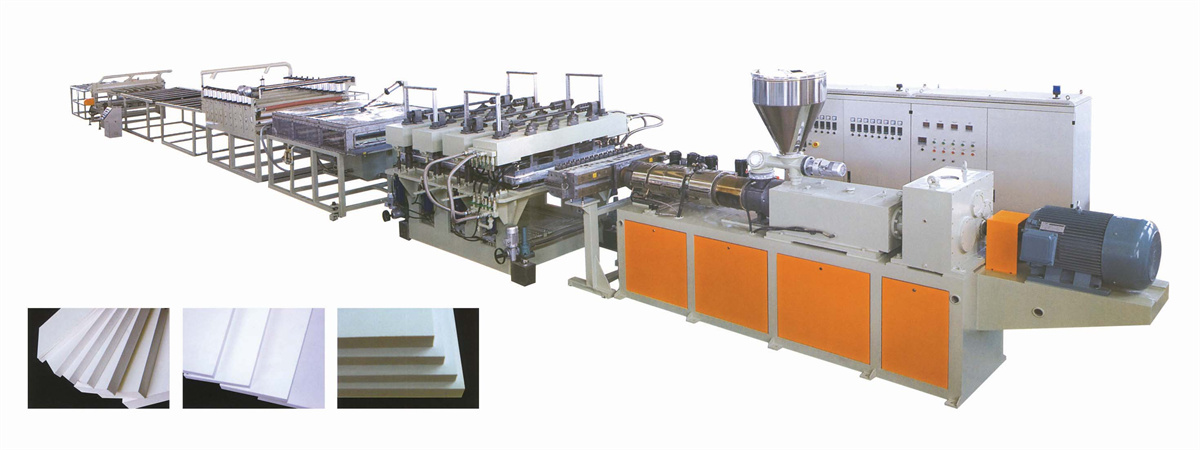
PVC Factory
A PVC (Polyvinyl Chloride) manufacturing plant is a facility that produces polyvinyl chloride, one of the most versatile plastics used across various industries, such as construction, packaging, medical, electronics, and more. These plants manufacture both unplasticized PVC (uPVC) for rigid products and plasticized PVC (pPVC) for flexible materials. Main Stages of PVC Production in a Plant: 1. PVC Production: o PVC is produced from raw materials, mainly chlorine and ethylene, which undergo chemical reactions in a polymerization process. This can be done using different technologies such as suspension polymerization or emulsion polymerization. o The result is a PVC powder that forms the base material for further processing. 2. Processing and Extrusion: o The produced PVC is further processed with the addition of various additives, such as stabilizers, plasticizers, flame retardants, and other chemicals. o During the extrusion process, the PVC is melted and forced through molds to create pipes, profiles, films, and other products. 3. Molding and Cooling: o After extrusion, the PVC is cooled and, if necessary, cut or shaped into different forms depending on its final application. This could include pipes, window profiles, packaging materials, or other plastic products. 4. Additional Processing: o Depending on the type of PVC and its intended use, the products may undergo additional treatments such as coloring, laminating, or applying protective coatings.